
Subfloor preparation
Subfloor preparation is the work nobody sees once the new floor is down, and it is the work that decides whether that floor stays flat, quiet and tight. In Tampa Bay the subfloor is usually a concrete slab, and a slab rarely meets a manufacturer's flatness tolerance straight after the old floor comes out. BR Flooring grinds, levels and checks it for moisture as part of your installation, and the prep we expect is in the quote, not added on install day.
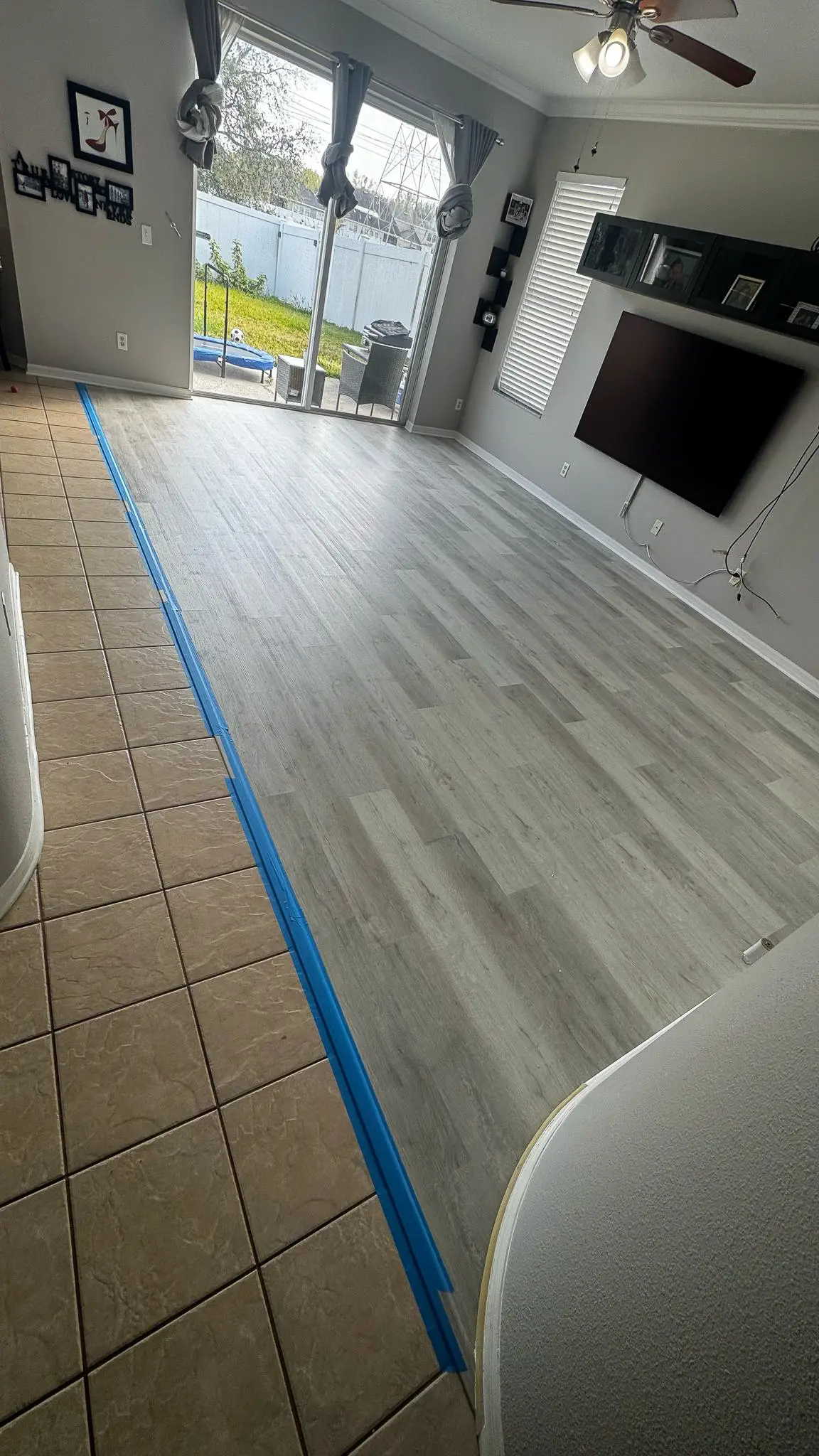
Most floor problems start underneath
What an unprepared subfloor looks like later
A laminate floor that sounds hollow when you walk on it, LVP joints that click or open up, a tile with one edge sitting higher than its neighbour: these are the complaints we hear about other installations, and most of them trace back to a subfloor that was never brought within tolerance.
None of it shows on the day the floor goes in. It shows months later, when the planks have flexed over a dip a few thousand times.
Why it gets skipped
When one contractor removes the old floor and another installs the new one, the grinding and leveling in between belongs to nobody. Our crew does the removal, the preparation and the installation, so there is no hand-off where the slab work can quietly disappear.
Prep that matches the floor you chose
Luxury vinyl plank and laminate
Floating floors need a flat slab and the right underlayment. Over an uneven slab the planks flex as you walk and the locking joints wear. Laminate's wood-based core also needs a moisture barrier over concrete, either as a separate film or built into the underlayment.
Engineered and solid hardwood
On a slab, engineered hardwood is glued down with a moisture-control adhesive or floated over an underlayment with a vapor barrier, and either way the slab has to be clean, flat and dry. Over a wood subfloor we check for squeaks and loose spots before nailing or stapling the boards.
Porcelain and ceramic tile
Large-format tiles are stiff and cannot follow dips in the slab. If the floor is not flat, edges stick up and tiles can sound hollow or crack, so we level the slab to suit the tile size you have chosen before setting it.
Condos and upstairs rooms
Over a wood subfloor or above a neighbour's unit, the underlayment controls sound as well as feel. In a condo we check what sound rating your association requires before anything is ordered.
On a slab, engineered hardwood is glued down with a moisture-control adhesive or floated over an underlayment with a vapor barrier, and either way the slab has to be clean, flat and dry.
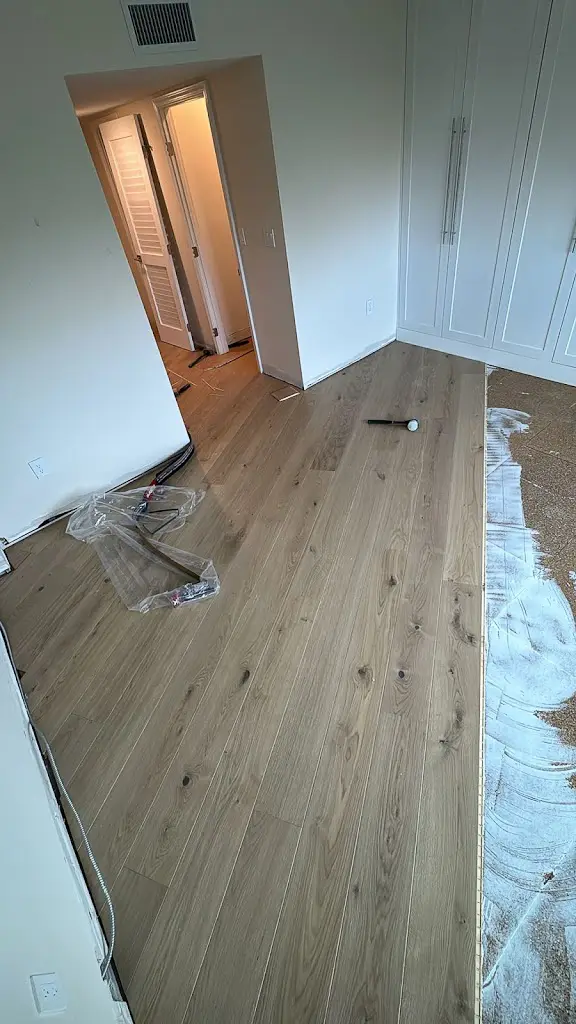
Clean, flat, dry, then install
At the free in-home estimate we look at what is under your current floor and how many layers there may be, and we include the preparation we expect in the quote.
Once the old floor is up, leftover thinset, glue and tack strip come off. A floor grinder takes down high spots and old residue so the new floor or its adhesive sits on sound concrete.
We check flatness with a long straightedge. Low spots are filled with a cement-based leveling compound that sets hard and flat, and cracks are assessed and explained before we go on.
We check the slab for moisture and choose the underlayment, vapor barrier or adhesive the product calls for. Then the same crew installs your new floor, stairs and trim.
Flooring samples, brought to your door.
Our mobile showroom carries hundreds of samples. Compare them in your own rooms and lighting, get a written estimate on the spot, then one crew handles the install.
Subfloor preparation guides
Slab Prep Before New Flooring: What Happens and Why
Tear-out, thinset removal, grinding, leveling and moisture checks decide how long a new floor lasts. Here is what a good installer does to your slab first.
Read the guide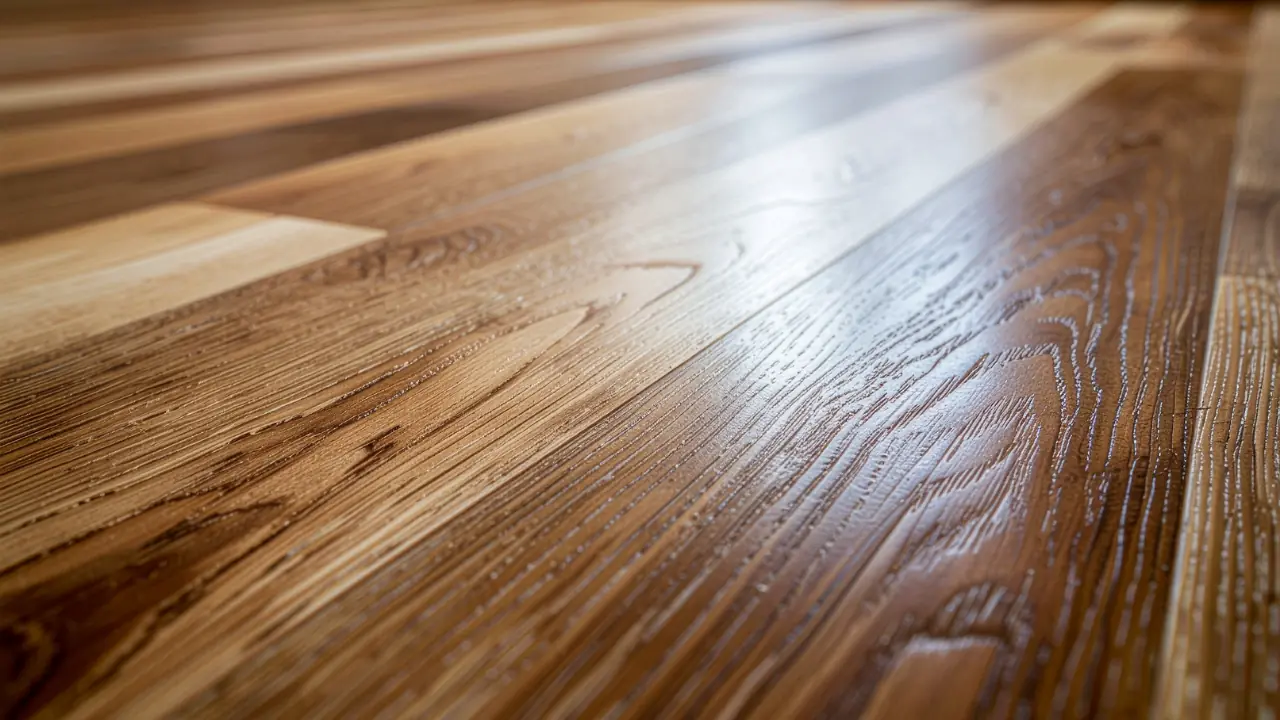
Engineered vs Solid Hardwood on a Florida Slab
On a concrete slab in a humid climate, engineered hardwood is usually the safer pick. Here is why, when solid wood works, and why moisture tests matter.
Read the guide
Subfloor preparation questions
Do you do subfloor prep as a job on its own?
Subfloor preparation is part of the floor installations we do. We look at what is under your current floor at the free in-home estimate, and the grinding and leveling we expect is included in the quote for the new floor.
How do you know if my slab is flat enough?
We check it with a long straightedge across the room once the old floor is up. Every flooring product has a flatness tolerance set by its manufacturer, and we bring the slab within it: high spots are ground down and low spots are filled with a cement-based leveling compound.
Do you test the slab for moisture?
Yes. Concrete can carry moisture up from the ground, so we check the slab before any floor goes down and use the underlayment, vapor barrier or adhesive the product requires. Before hardwood we test the slab or subfloor and the wood itself.
What happens if you find cracks in the slab?
We assess them before we continue. Most slab cracks are cosmetic, and we explain any that are not and what they mean for your floor before anything is installed.
My home has a wood subfloor, not a slab. Is the prep different?
Yes. Upstairs rooms and some older or rural homes sit on a wood subfloor. We check it for squeaks and loose or soft spots before recommending a floor, and over a sound wood subfloor solid hardwood becomes an option alongside engineered hardwood, LVP and laminate.
Flexible financing available
0% interest for up to 24 months for qualified customers
Subfloor preparation by city
- Tampa Subfloor preparation
- Saint Petersburg Subfloor preparation
- Brandon Subfloor preparation
- Clearwater Subfloor preparation
- Sarasota Subfloor preparation
- Town 'n' Country Subfloor preparation
- The Villages Subfloor preparation
- Largo Subfloor preparation
- Riverview Subfloor preparation
- Palm Harbor Subfloor preparation
- University Subfloor preparation
- Pinellas Park Subfloor preparation
- Valrico Subfloor preparation
- Dunedin Subfloor preparation
- Plant City Subfloor preparation
- East Lake Subfloor preparation
- Sun City Center Subfloor preparation
- Lake Magdalene Subfloor preparation
- Ruskin Subfloor preparation
- Apollo Beach Subfloor preparation
- Westchase Subfloor preparation
- Tarpon Springs Subfloor preparation
- Northdale Subfloor preparation
- Bloomingdale Subfloor preparation
- Temple Terrace Subfloor preparation
- Lutz Subfloor preparation
- Seminole Subfloor preparation
- Zephyrhills Subfloor preparation
- Safety Harbor Subfloor preparation
- Thonotosassa Subfloor preparation
- Oldsmar Subfloor preparation
- Wesley Chapel Subfloor preparation
- Land O' Lakes Subfloor preparation
- New Port Richey Subfloor preparation
- Trinity Subfloor preparation
- Carrollwood Subfloor preparation
- Seffner Subfloor preparation
Other services
-

Luxury vinyl plank (LVP)
Waterproof-core luxury vinyl plank installed over Tampa Bay slabs, with the samples brought to your home so you can choose in your own light.
Learn more → -
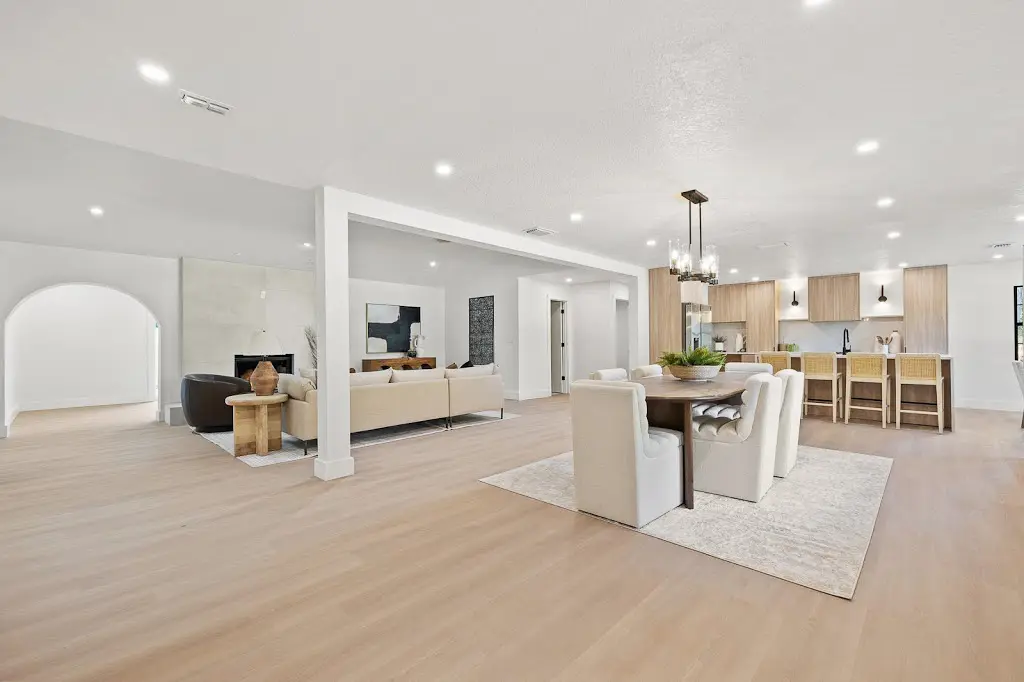
Laminate
Scratch-resistant laminate for bedrooms, living rooms and pet-heavy homes, with honest advice on where it beats LVP and where it does not.
Learn more → -
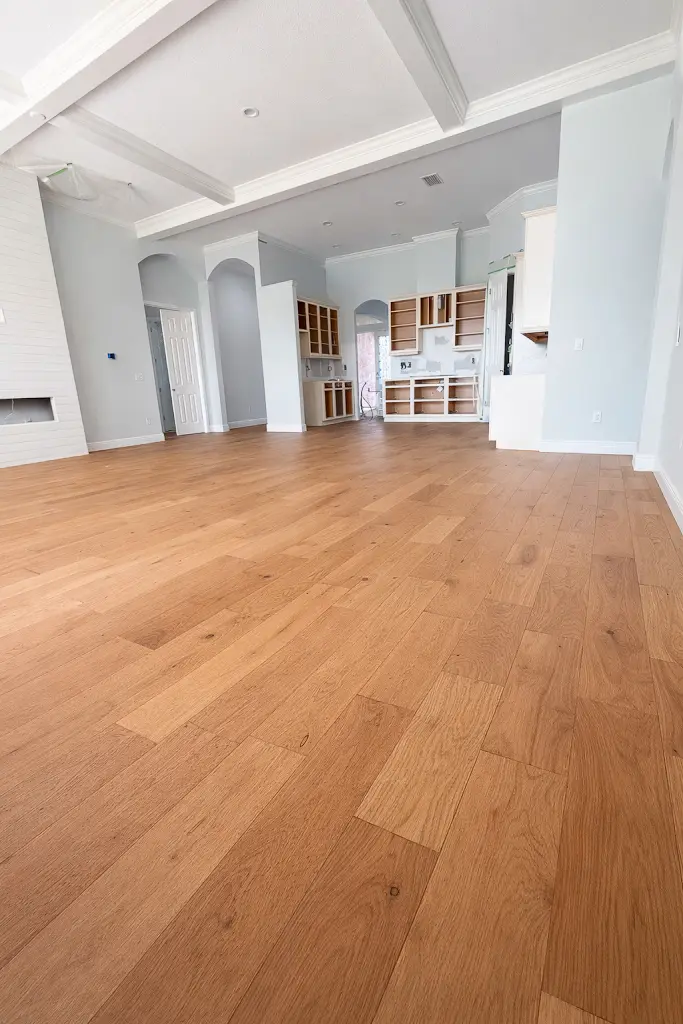
Hardwood installation
Solid and engineered hardwood installation, with straight advice on which one suits a Florida slab and the samples brought to your home.
Learn more → -
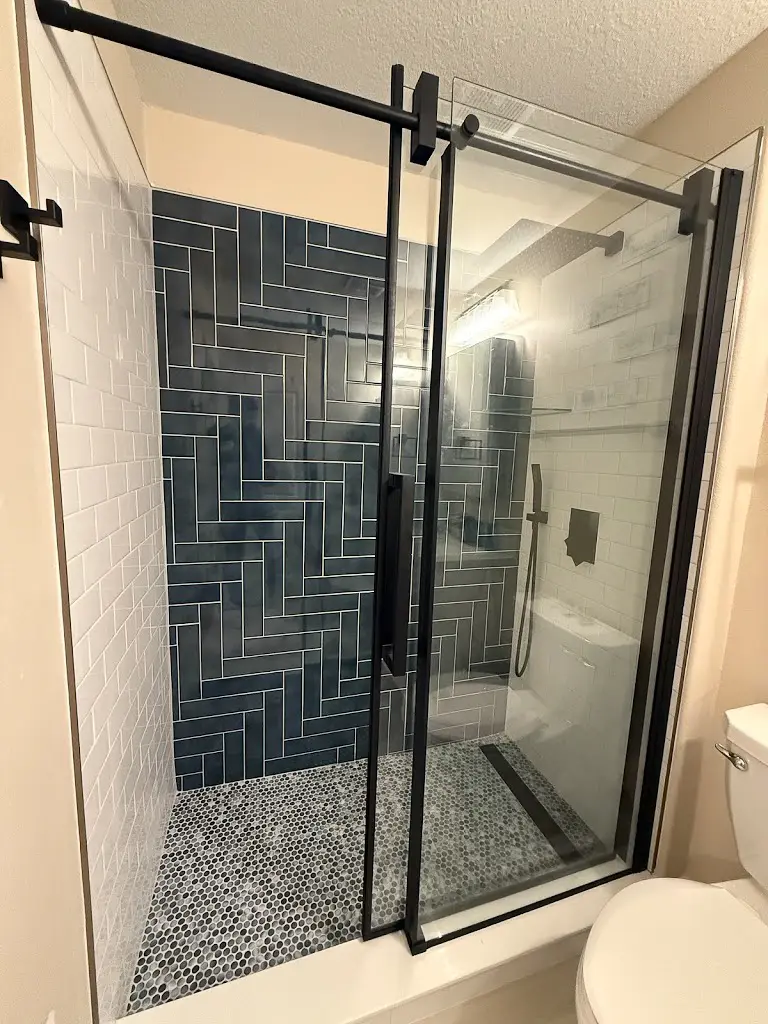
Tile
Porcelain and ceramic tile installed on floors, showers and walls, set over a properly prepared slab so it stays flat and solid.
Learn more → -
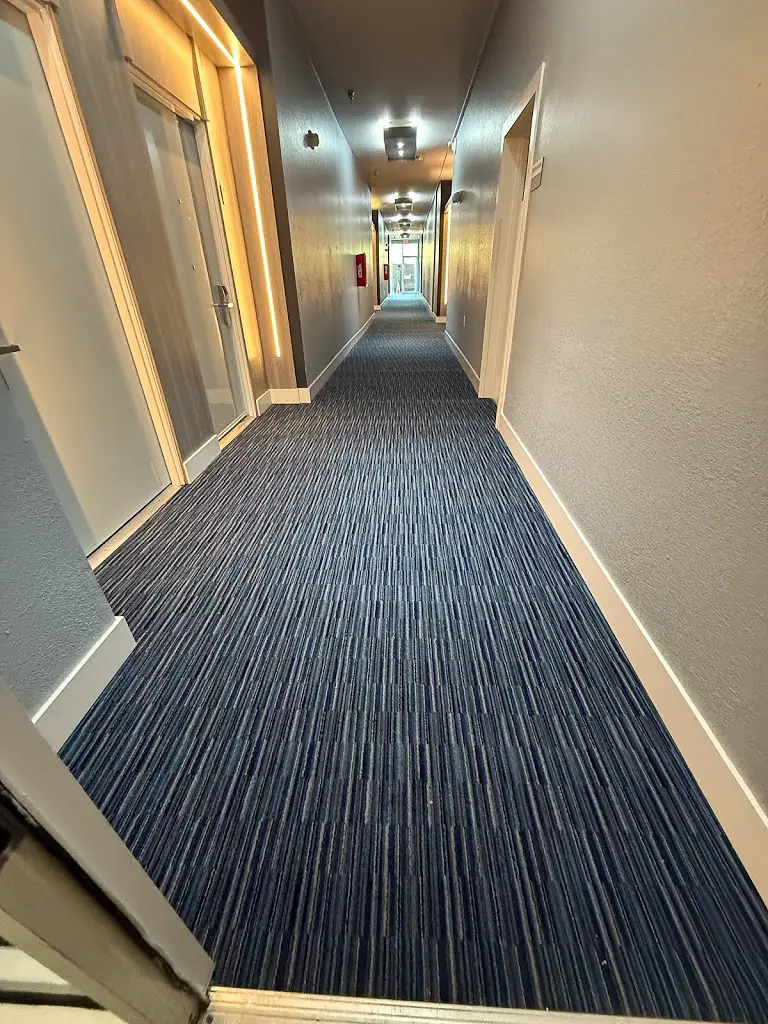
Carpet
Soft, quiet carpet for bedrooms, stairs and family rooms, installed over new pad and chosen at home from samples we bring to you.
Learn more → -
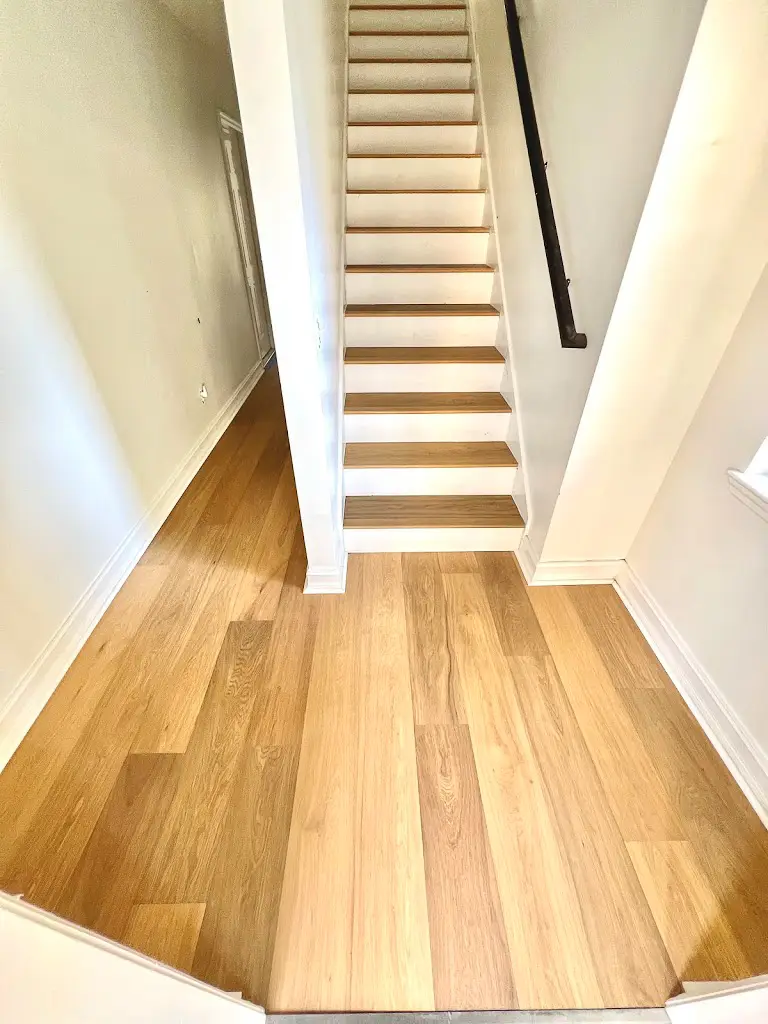
Stairs & trim
Staircase makeovers with oak treads, painted risers and iron balusters, plus baseboard, quarter round and transitions that finish a new floor.
Learn more →
Ready for your free in-home estimate?
Free in-home estimate, clear pricing, and a crew that shows up when we say we will.